
Cultural Heritage in the Age of Digital Acceleration: Between Preservation, Identity and Human Responsibility
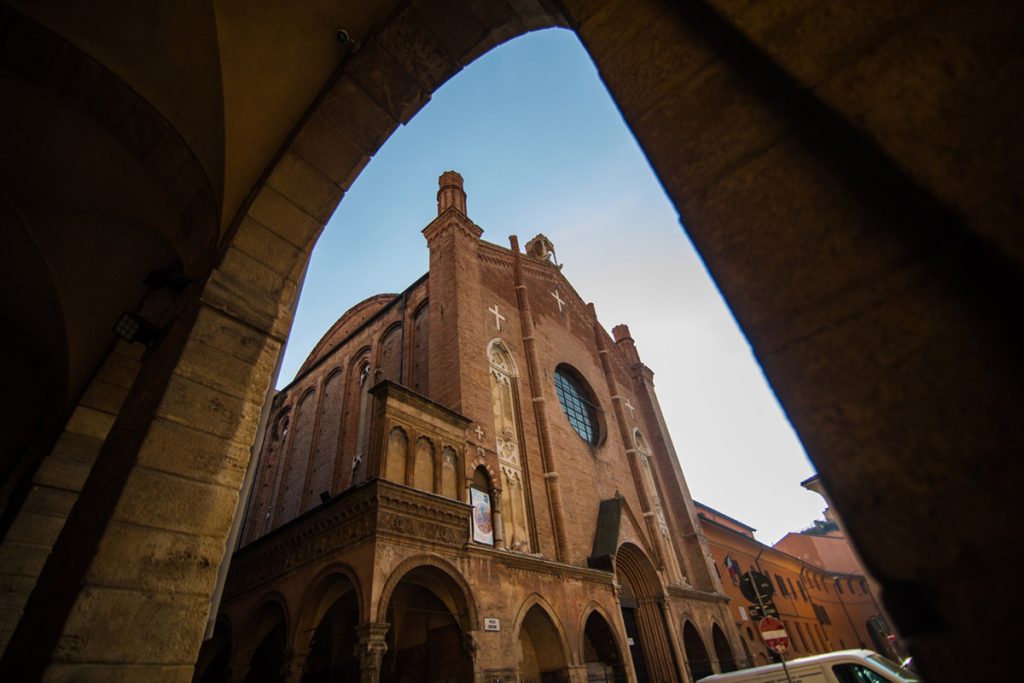
Europe is living through a historical transition in which digital transformation is no longer simply a technological process, but a cultural and civilizational one. Artificial intelligence, platformization, immersive environments, algorithmic systems, and accelerated communication models are profoundly reshaping how societies produce knowledge, preserve memory, and construct collective identity.
Within this context, cultural heritage is facing one of the most important challenges of its contemporary history.
For decades, cultural heritage policies focused mainly on conservation, restoration, accessibility, and tourism valorisation. Today, however, heritage institutions, cultural organisations, educators, and communities are being asked to respond to a much broader question: how can cultural heritage remain meaningful in a society increasingly driven by speed, automation, and digital consumption?
The digital transition offers extraordinary opportunities. Artificial intelligence can support cataloguing processes, digital archives can democratise access to knowledge, virtual and augmented reality can create immersive educational experiences, and digital platforms can connect younger generations to cultural narratives in innovative ways. Entire collections once accessible only to researchers can now reach global audiences instantly.
At the same time, this transformation generates deep tensions.
The acceleration of digital processes risks reducing heritage to consumable content rather than lived cultural experience. Algorithms increasingly shape visibility, attention, and memory itself. Cultural narratives may become simplified, fragmented, or adapted to platform logics that privilege immediacy over reflection. In this environment, heritage risks becoming disconnected from its deeper social, historical, and spiritual dimensions.
One of the greatest risks is not technological substitution itself, but the progressive weakening of human responsibility within cultural processes.
Digital innovation often advances faster than ethical reflection, educational adaptation, and institutional preparedness. Many cultural organisations are pressured to “digitise” rapidly without having the time, resources, or critical frameworks necessary to understand the long-term implications of these transformations. The result is frequently a reactive approach to innovation rather than a strategic and human-centred one.
The challenge, therefore, is not whether cultural heritage should become digital. The challenge is understanding under which values, principles, and societal visions this transition should occur.
Cultural heritage cannot be reduced to data infrastructures or visual repositories. Heritage represents memory, identity, belonging, intergenerational dialogue, and collective meaning-making. It embodies the stories through which societies recognise themselves across time. If these dimensions are lost, digitisation alone cannot preserve the cultural function of heritage.
This is particularly relevant for younger generations growing up within highly mediated digital environments. Many young people encounter culture primarily through short-form content, algorithmic feeds, and fragmented visual communication. While these tools can increase accessibility, they can also weaken the capacity for critical interpretation, contextual understanding, and long-term cultural engagement.
For this reason, the future of cultural heritage depends not only on technological innovation, but also on education.
Educational systems, universities, cultural institutions, and European cooperation projects have a crucial role in developing digital cultural literacy capable of combining innovation with critical thinking and ethical awareness. Citizens should not only learn how to use technologies, but also how to question them, contextualise them, and understand their social consequences.
Artificial intelligence, for example, should not become a mechanism that replaces human interpretation of culture. Rather, it should support more inclusive, participatory, and accessible cultural ecosystems while preserving human agency and diversity of perspectives.
Europe has a unique responsibility in this debate.
European cultural heritage is deeply connected to plurality, historical complexity, democratic values, and intercultural dialogue. In a time of global digital homogenisation, protecting cultural diversity becomes not only a cultural mission but also a democratic one.
The future of heritage will therefore depend on the ability to create a balanced relationship between technological innovation and human responsibility. Digital transformation should not erase slowness, reflection, memory, or identity. On the contrary, it should help societies rediscover them in new forms.
Perhaps the real question is no longer how to digitise cultural heritage, but how to preserve the human meaning of culture within increasingly digital societies.
Because cultural heritage is not simply about preserving the past.
It is about protecting the conditions that allow societies to remain human while imagining the future.
Related articles

From Pyramids to Pixels: How AI is Rewriting the Narrative of Egyptian Cultural Identity

