
Egypt and European Cultural Heritage: Connections, Influences and Shared Narratives
Introduction
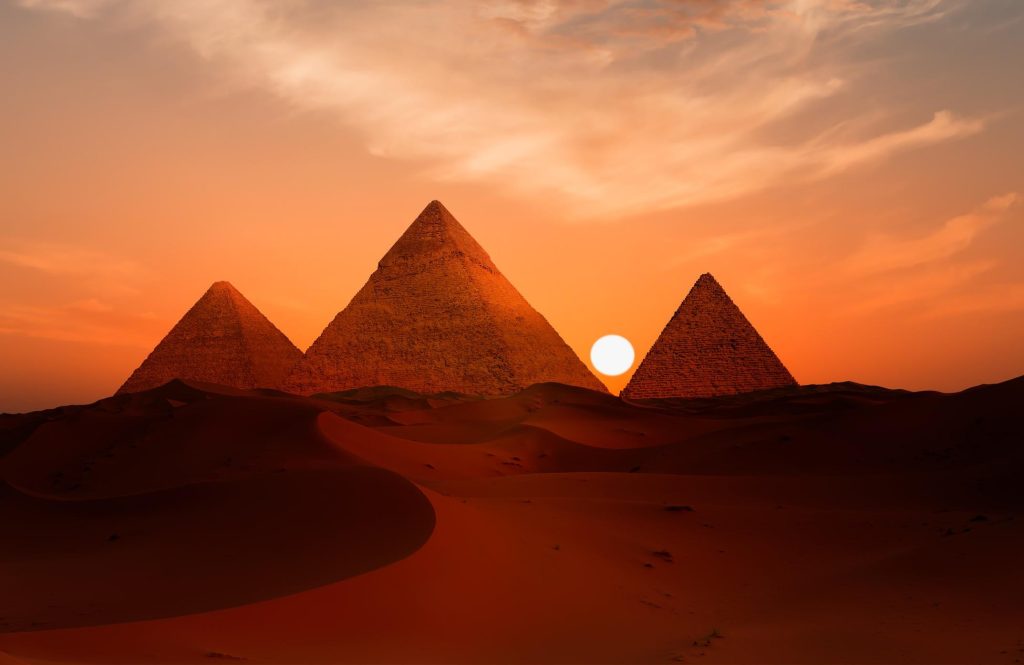
Egypt holds a central position in the cultural history of the Mediterranean and represents one of the most significant points of connection between Africa, the Middle East and Europe. The relationship between Egypt and European cultural heritage goes far beyond artistic or archaeological influence; it reflects centuries of intellectual, scientific and symbolic exchange that helped shape European civilisation.
From antiquity to modern times, Egypt has inspired European philosophers, artists, architects and scholars, becoming a constant reference within Europe’s cultural imagination.
Historical Roots and Cultural Exchanges
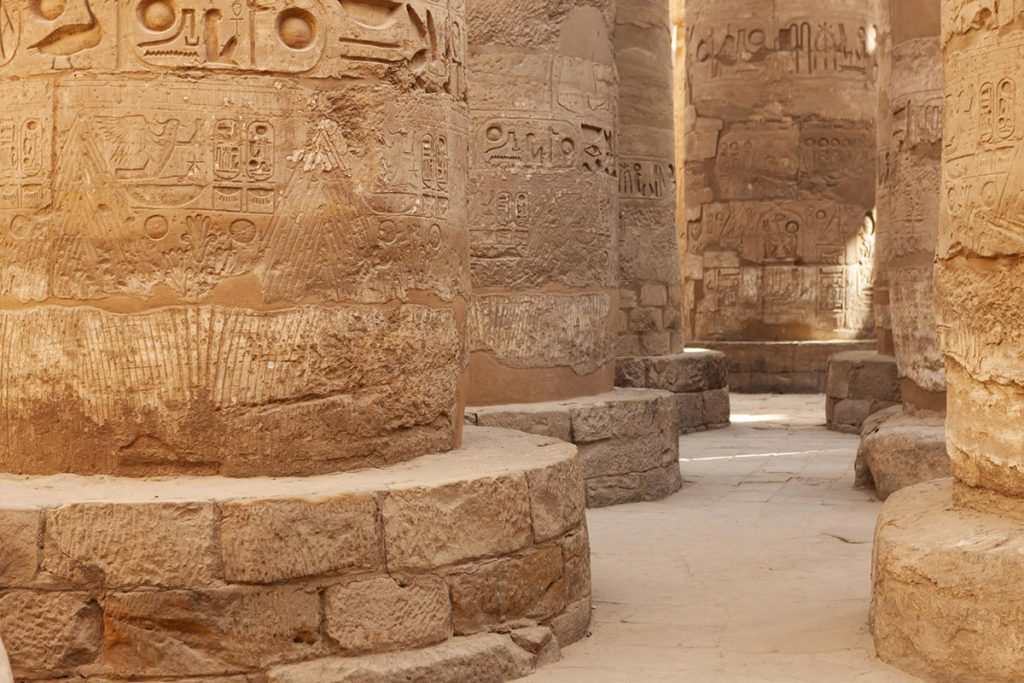
The connections between Egypt and Europe date back to the ancient world:
- Alexandria emerged as one of the major knowledge hubs of the Mediterranean, linking Greek, Egyptian and Roman traditions;
- mathematical, astronomical and medical knowledge circulated across regions and influenced European thought;
- Hellenistic and Roman periods strengthened long-term cultural and trade relations.
Over time, Egyptian heritage continued to inspire scientific curiosity and contributed to the development of archaeology and museum practices in Europe.
Egypt in the European Cultural Imagination
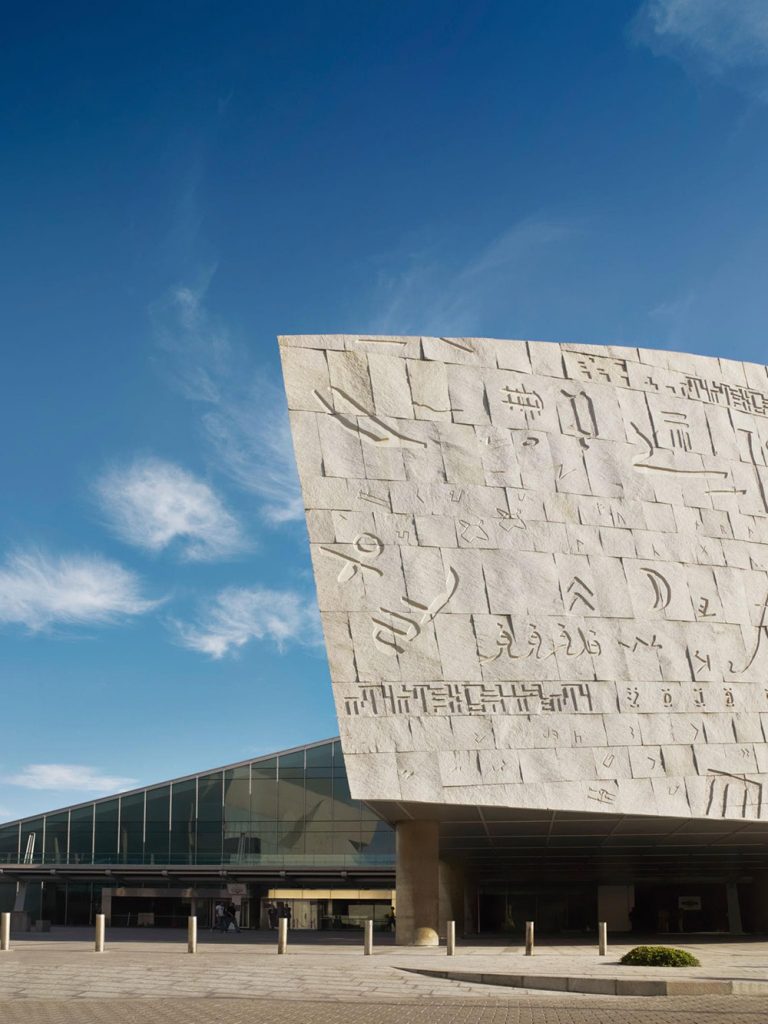
During the 18th and 19th centuries, Egypt became a major source of fascination for European intellectuals and artists. Egyptology emerged as a scientific discipline, and many European museums incorporated Egyptian collections into their cultural narratives.
Today, this historical relationship is increasingly reinterpreted through a contemporary lens, opening discussions on:
- shared responsibility in heritage preservation;
- international cooperation among museums and cultural institutions;
- new models of collaborative research and symbolic restitution.
Contemporary Cultural Cooperation
In the current context, Egypt is a strategic partner for cultural and scientific initiatives involving European organisations. Key areas of cooperation include:
- archaeological conservation and restoration;
- digitisation of archives and collections;
- professional training for heritage specialists;
- sustainable cultural tourism and local community engagement.
These initiatives reinforce cooperation based on knowledge exchange and co-creation rather than one-directional approaches.
Innovation and Digital Transformation
Digital technologies are reshaping how Egyptian heritage is researched and communicated:
- 3D reconstructions of archaeological sites;
- international educational platforms;
- virtual reality and immersive storytelling;
- advanced analytical tools supporting conservation.
Innovation enables the creation of shared narratives that connect European and Mediterranean audiences through contemporary formats and experiences.
Conclusion
The relationship between Egypt and European cultural heritage demonstrates that culture is the outcome of continuous exchange. Recognising these mutual influences encourages a more inclusive understanding of heritage as a shared, evolving space.
In this perspective, cultural cooperation between Europe and Egypt represents both a shared responsibility and a strategic opportunity to build new forms of dialogue, innovation and long-term collaboration.
Related articles

From Pyramids to Pixels: How AI is Rewriting the Narrative of Egyptian Cultural Identity

